Zena test
Trying to work out this CMS
blah blah
Chinnor Village Hall has been part of village life since 1939.
(Registered charity Number 304285)
Chinnor Village Hall is situated centrally within the village of Chinnor, which nestles at the bottom of the Chiltern Hills in South Oxfordshire. It is a traditional build of that period - 1939. Surrounded by rural life Chinnor Village Hall is the ideal location offering excellent and modern facilities so as to accommodate as many varied events as possible.
The original build has, in recent years undergone two major refurbishments. Additional halls and facilities were added enlarging the capacity. The main hall and small hall are, in normal times booked out throughout each day including week-ends. The committee room, located upstairs, access via a lift or stairs, is an ideal room for smaller groups.
The hirers are varied, covering all age groups from 0 to 100 and activities range from soft play, musical groups for toddlers, young drama groups, sports, badminton, short mat bowls, exercise, zumba, jazzasize, pilates, yoga, adult drama. The list is endless.
Ad hoc bookings at weekends accommodate, quiz nights, fund raising events, wedding receptions, birthday parties for both children and adults.
Chinnor Village hall proudly supports the NHS Blood Donor sessions and free training courses held by our First Responder, showing residents how to use the defibrillator which is installed in the main foyer.
Moving through the COVID19 pandemic and 3 complete lockdown periods has in itself had its challenges. However, the Committee has worked together to comply with all Government requirements to ensure Chinnor Village Hall is as COVID Compliant as it can be. Many regular classes are eager to return once it is safe to do so, and the Committee are confident that Chinnor Village Hall will continue to provide an amazing facility for the community in years to come.
kvh;adhv;dfughvdfvdfubvdf
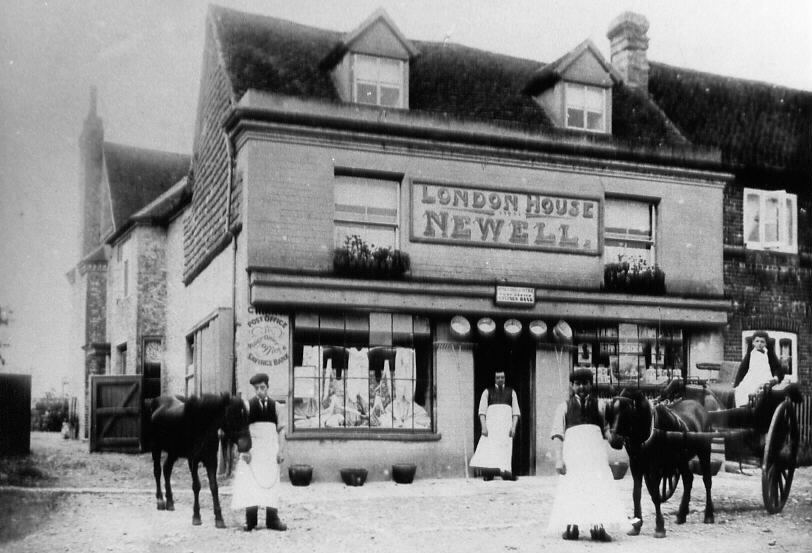
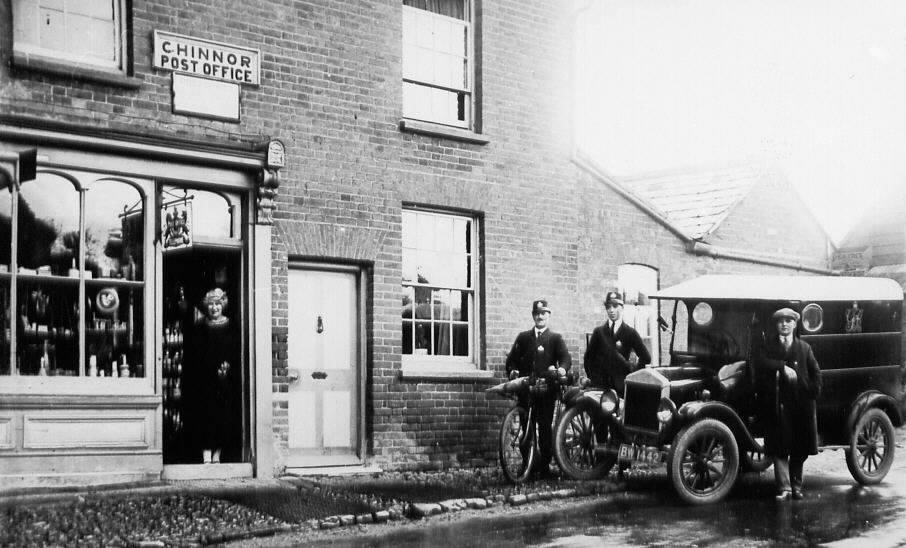
Chinnor
The history of Chinnor goes back to 120 million years ago, the age of the shark’s tooth fossil found in the quarry and exhibited at an exhibition in 1967. More recent history shows Chinnor’s entry in the Domesday Book and during its long history Chinnor has survived the Civil War, two World Wars ad has benefited from the expansion of roads and railways. This has given rise to the potential for a rich and varied historical archive currently scattered throughout the village, lodged in photo albums, old newspapers and reports. These have been collected and digitalised for the benefit of historians, children or anyone else whose curiosity about their village is aroused.
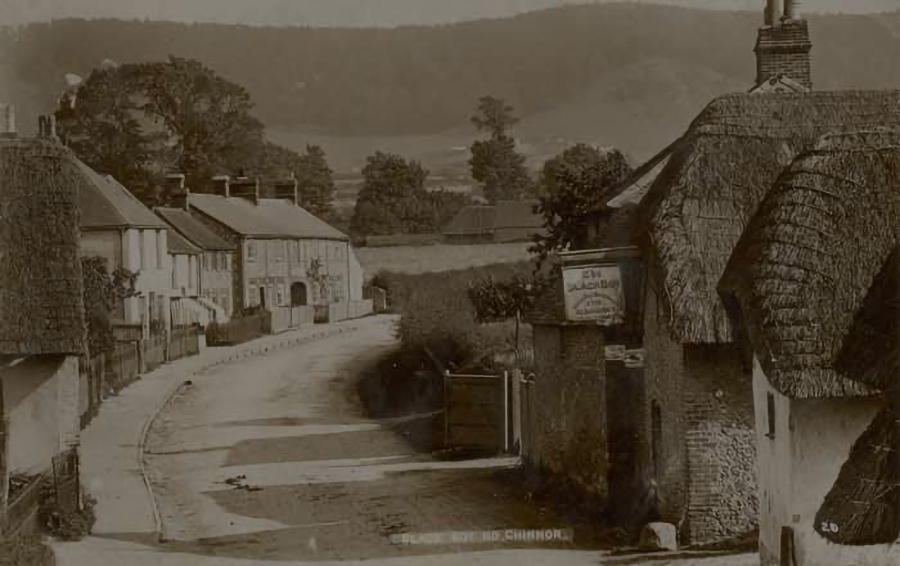
Old Road
Chinnor looking south
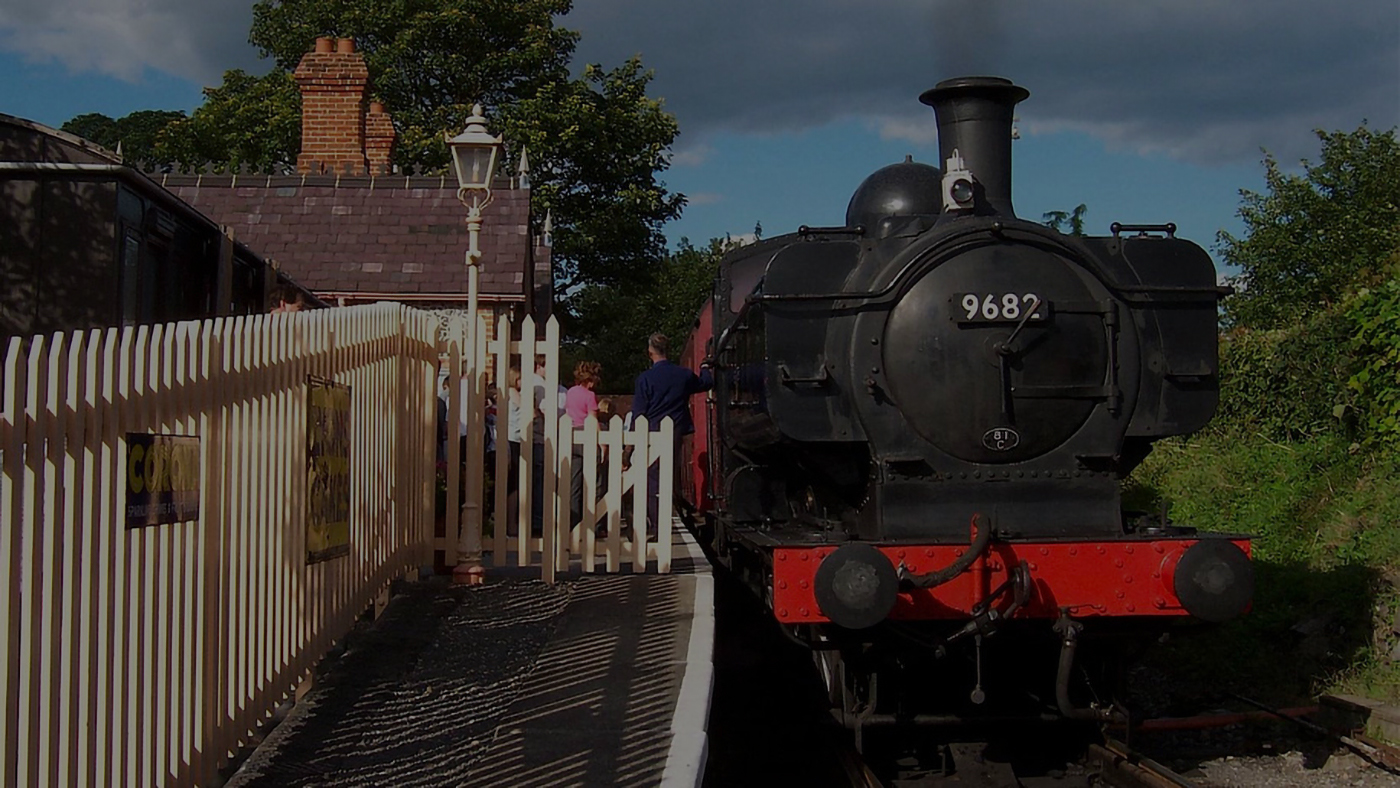
Chinnor and Princes Railway
The origin of the allotment movement in Chinnor lies within the second allotment movement which started nationally in 1830, but has sustained its influence on Chinnor’s nutrition and health until the present day.
Jeremy Burchardt has suggested that allotment produce provided a greater contribution to living standards, and by implication, health, than previously appreciated, whilst Ashby suggested a figure of 20-25 % of the diet of many families was directly supplied by the garden or garden allotment.[1]
The Chinnor allotments played a vital role in World War ll. In 1854 an enclosure award was made for the ‘labouring poor of Chinnor’. They were referred to as the ‘labouring poor’ because, although they were employed, their economic level was still very low.
Nine acres of land were allocated by the Enclosure Commissioners to be managed by the Church Wardens and Overseers of the Poor. This responsibility was later taken over by the Parish Council in 1917. The land is owned by the people of Chinnor and the term rent refers to the cost of upkeep of the plots. Under the Land Settlement Facilities Act, 1919 the land became ‘open to all.’ The rent charged was calculated by the value of wheat, barley and oats which could have been grown annually on the site before it was allocated.
From the names in the rent book and the complexity of Chinnor’s kinship network, it was difficult to assess how many families rented an allotment. For example, in in the first year 1898, there were listed 6 Hopkins, 6 Howletts, 7 Rogers, 10 Seymours, 4 Turners and 7 Witneys. Without a copy of the rules on how many plots could be allocated to one person or household in Chinnor it was difficult to determine the proportion of households who rented the plots, but from the census figures it could have been as high as one third of households.[2] Burchardt gave the figure for the number of male agricultural workers in Oxfordshire aged ten and over per allotment in 1873 as 2.1.[3]
During the period 88 – 98 a review of the number of plots in Chinnor varied
Table 1. Number of Allotment Plots, Chinnor 1900-1931.
|
|
Plots |
Households |
|
1900 |
95 |
264 |
|
1921 |
89 |
270 |
|
1931 |
98 |
339 |
Source: Chinnor Allotment Society Records.
Rents were initially, 4s. 6d. for 18 poles and 2s 3d. for nine poles.[4] The rent was increased in 1920 to 5s 10d. for 18 poles and 2s 11d. for nine poles.
After the First World War many returning service men could not afford the rents so the 1927 War Memorial Committee waived the allotment ground rent charge to help Chinnor men who returned from the Great War.
Rules governing the cultivation of the allotments included owners not being allowed to work from 8 am to 6 pm to avoid interfering with their farm labouring work and not during the Sunday service, planting being done on Good Friday. Primary crops were root vegetables. The value of a potato crop is highlighted in a garden manual which states that in many allotments 50% of the crop was potatoes.[5]
In 1919 nationally, allotment holders produced 350,000 green vegetables, 43,000 tons of onions 23,000 tons of beans and 750,000 tons of potatoes.[6] From 1910 Chinnor hosted an annual flower and produce show which showcased flowers vegetables, eggs and honey as well as hosting a number of lively non-agricultural events and competitions and continues to this day.
[1] Burchardt, Allotment Movement, p. 4, Ashby, Allotments, p. 61.
[2] Ashby, Allotments: p. 261 gives a list of the most frequent rules pertaining to renting an allotment. The same heavy moral tone associated with the feudal system (also noted in the Reading Room rules) could include: ‘no drunkenness, no swearing, compulsory church and school attendance.’ However, Ashby, contends that rules ‘became obsolete and were not often adhered to very closely’.
[3] Burchardt, Allotment, p. 181.
[4] 51/2 yards = 1 perch, pole or rod, (the distance from the back of the plough to the horse’s nose), 4 poles (22 yards) = 1 chain, 10 chains or 40 poles =I furlong (the distance which could be ploughed by one ox without a rest), 8 furlongs = 1 mile. 1 acre, the area that could be ploughed by a team of eight oxen in one day. (Officially, 1, furlong x 4 poles).
[5] Walter Wright, (ed) Practical Gardening for Pleasure and Profit: vol 11 vegetables and their cultivation (London, circa 1920), p. 39. See also Burchardt, Allotments, p. 152.
[6] Wright, vol 1, p. 19.
Chinnor Village Hall has been part of village life since 1939.
(Registered charity Number 304285)
Chinnor Village Hall is situated centrally within the village of Chinnor, which nestles at the bottom of the Chiltern Hills in South Oxfordshire. It is a traditional build of that period - 1939. Surrounded by rural life Chinnor Village Hall is the ideal location offering excellent and modern facilities so as to accommodate as many varied events as possible.
The original build has, in recent years undergone two major refurbishments. Additional halls and facilities were added enlarging the capacity. The main hall and small hall are, in normal times booked out throughout each day including week-ends. The committee room, located upstairs, access via a lift or stairs, is an ideal room for smaller groups.
The hirers are varied, covering all age groups from 0 to 100 and activities range from soft play, musical groups for toddlers, young drama groups, sports, badminton, short mat bowls, exercise, zumba, jazzasize, pilates, yoga, adult drama. The list is endless.
Ad hoc bookings at weekends accommodate, quiz nights, fund raising events, wedding receptions, birthday parties for both children and adults.
Chinnor Village hall proudly supports the NHS Blood Donor sessions and free training courses held by our First Responder, showing residents how to use the defibrillator which is installed in the main foyer.
Moving through the COVID19 pandemic and 3 complete lockdown periods has in itself had its challenges. However, the Committee has worked together to comply with all Government requirements to ensure Chinnor Village Hall is as COVID Compliant as it can be. Many regular classes are eager to return once it is safe to do so, and the Committee are confident that Chinnor Village Hall will continue to provide an amazing facility for the community in years to come.

Video & Audio examples
Lorem ipsum dolor sit amet, consectetur adipiscing elit, sed do eiusmod tempor incididunt ut labore et dolore magna aliqua. Ut enim ad minim veniam, quis nostrud exercitation ullamco laboris nisi ut aliquip ex ea commodo consequat.
Watch the Chinnor memories in colour video
Lorem ipsum dolor sit amet, consectetur adipiscing elit, sed do eiusmod tempor incididunt ut labore et dolore magna aliqua. Ut enim ad minim veniam, quis nostrud exercitation ullamco laboris nisi ut aliquip ex ea commodo consequat.